
Do Water Bikes Tip? What Riders Should Know
Do water bikes tip? Learn how stable water bikes really are, what affects balance, and how first-time riders can enjoy a calm, easy lake ride.
7/14/20265 min read
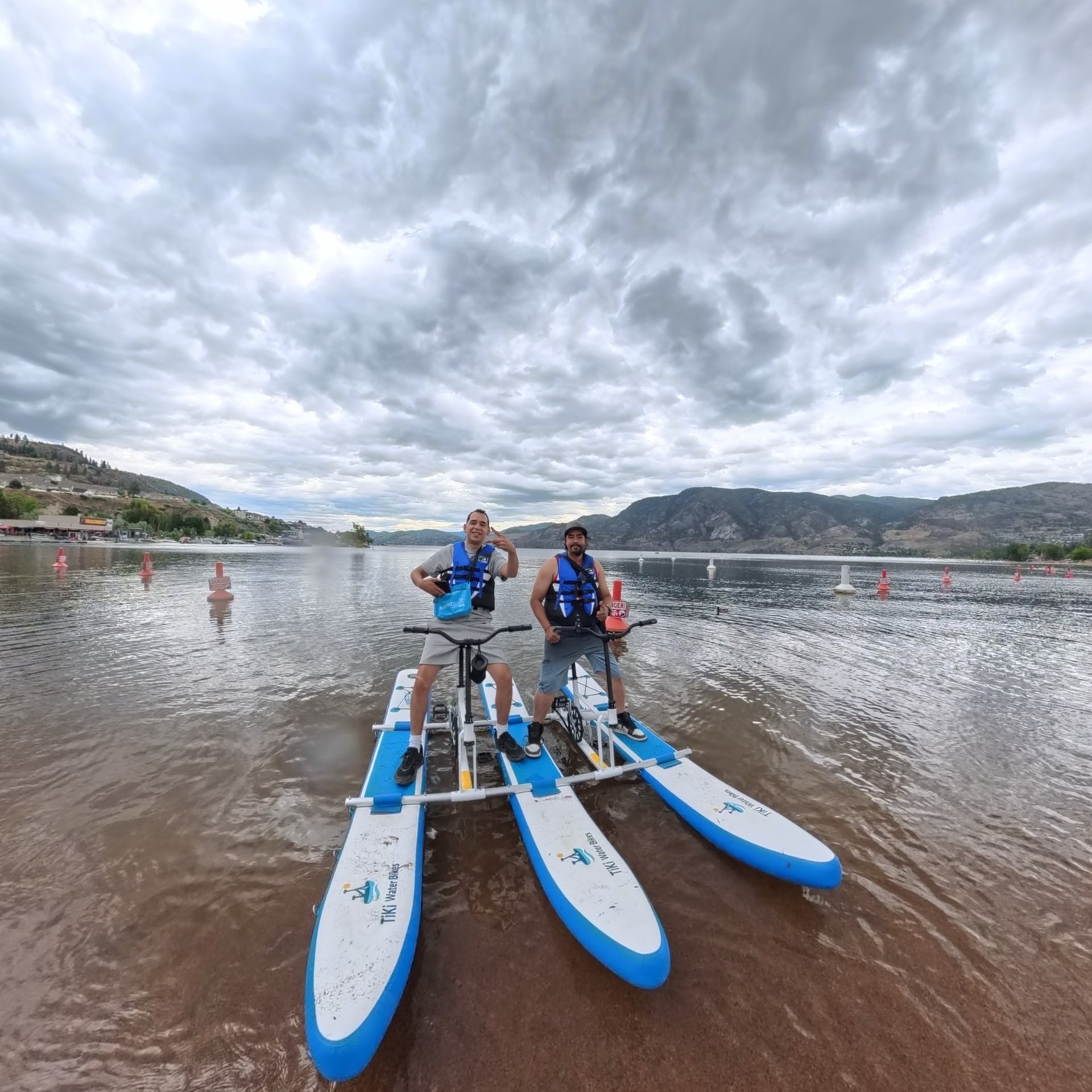
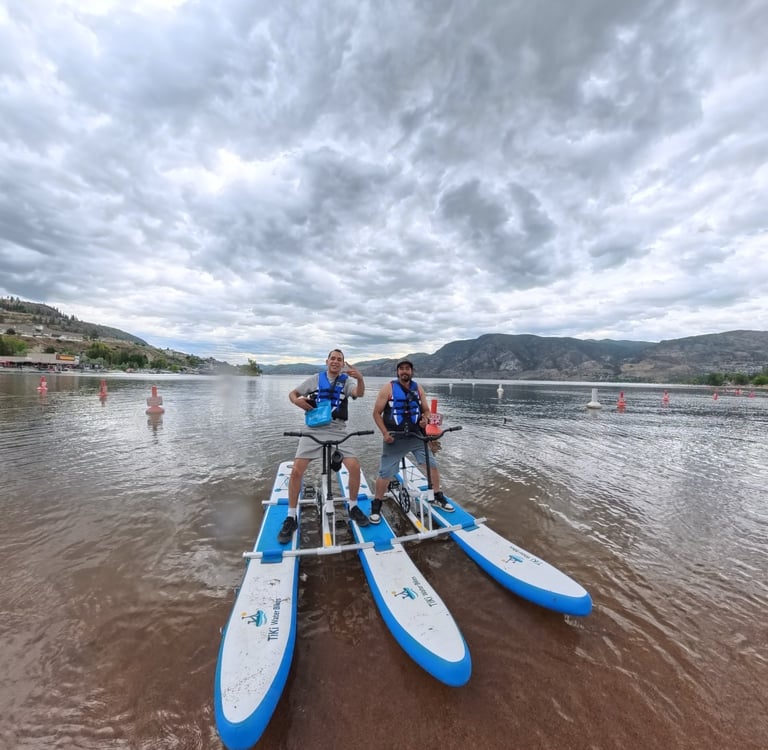
If you’re standing at the shoreline wondering, do water bikes tip, you’re asking the right question. Most first-time riders want the same thing - a fun, easy outing that feels safe from the moment they push off. The short answer is that quality water bikes are designed to be very stable, and in calm lake conditions, tipping is not something most riders need to stress about.
That said, like any activity on the water, stability depends on a few real-world factors. The bike design matters. The conditions matter. And how you get on, ride, and move your weight matters too. The good news is that for casual riders, vacationing families, couples, and groups looking for a relaxed lake experience, water bikes are generally one of the more approachable options out there.
Do water bikes tip easily?
In normal conditions, water bikes do not tip easily. They’re built with flotation pontoons that create a wide, balanced base on the water, which is very different from a narrow kayak, paddleboard, or canoe. That wider footprint is what gives riders a more planted, steady feel.
For most people, the first surprise is how familiar the ride feels. You sit upright, pedal in a natural motion, and move across the water without needing advanced balance or upper-body strength. That makes water biking appealing for people who want light activity and great views without the learning curve of a more technical watersport.
Still, “not easy to tip” doesn’t mean “impossible to tip.” If someone makes sudden exaggerated movements, leans hard to one side, tries to climb on awkwardly, or rides in rougher-than-usual water, stability can change. It’s better to think of a water bike as stable by design, but still something you use with basic awareness.
Why water bikes feel so stable
The biggest reason water bikes feel secure is the platform underneath you. Instead of balancing on a single hull, you’re supported by pontoons that spread buoyancy across the surface. That design helps reduce side-to-side wobble and gives riders more confidence right away.
Seating position also plays a big role. On a water bike, you’re usually seated in an upright, centred posture rather than standing or crouching. A lower, more controlled centre of gravity helps the bike stay steady, especially when you’re pedalling smoothly instead of shifting around.
Then there’s the pace. Water bikes are made for scenic cruising, not high-speed cornering. Because the movement is slower and more predictable, riders have time to adjust naturally and stay comfortable. For laid-back rides on a calm lake, that combination of wide support, seated posture, and gentle speed makes a big difference.
What can make a water bike feel less stable?
Even though the design is beginner-friendly, conditions on the water are never identical every day. Wind can create chop. Boat wake can add rolling motion. Uneven weight distribution can make the ride feel a little more lively than expected.
The moment where people feel most unsure is often not while riding - it’s getting on and off. Stepping onto any floating equipment can feel strange for a second because the surface responds to your movement. That’s normal. A careful launch, a steady hand from staff if needed, and sitting down smoothly usually solve the issue fast.
Rider behaviour matters too. If two people are laughing, turning around, reaching far to one side for a photo, or trying to stand when they shouldn’t, the bike may feel less settled. That doesn’t mean the equipment is unsafe. It means calm, simple movement works best.
Do water bikes tip more than kayaks or paddleboards?
For many beginners, water bikes feel easier than paddleboards and less twitchy than some kayaks. A paddleboard asks you to stand and balance from the start, so even calm water can feel challenging if you’re new. A kayak can be very stable depending on the type, but getting in and out still throws some people off.
A water bike often sits in a sweet spot between active and relaxed. You’re seated, the platform is wide, and the pedalling motion is intuitive. That’s why it appeals to people who want to enjoy the lake without making balance the main event.
There is a trade-off, though. Water bikes are built for easy cruising and sightseeing, not sharp manoeuvres or rough-water performance. If your goal is a calm, fun ride with great views, that’s a plus. If you’re expecting something sporty in choppy conditions, your experience will depend more on the weather and your comfort level.
How first-time riders can stay steady
If you’re still asking do water bikes tip, the best answer is to pair a stable bike with smart, simple riding habits. You do not need special skills, but a little awareness goes a long way.
Start by listening to the launch instructions and taking your time as you board. Keep your movements smooth and centred. Once seated, begin pedalling gently instead of trying to rush away from shore. Most riders feel comfortable within the first minute or two.
While you’re out on the water, keep your weight centred over the seat and avoid sudden leaning. If you want to take photos, slow down first and move carefully. If another boat passes and sends a wake your way, stay relaxed, keep both hands steady, and let the bike move naturally with the water.
It also helps to dress for the outing, not for a workout. Comfortable clothing, secure footwear, sun protection, and a life jacket all add to the easygoing feel of the ride. When you feel prepared, you tend to move more confidently too.
Is a water bike a good choice for nervous riders?
Yes - often more than people expect. Water bikes appeal to nervous riders because they don’t ask for much all at once. You’re not paddling and steering with your whole body. You’re not standing up and trying to balance. You’re sitting down, pedalling, and taking in the view.
That makes them a strong option for people who want a low-pressure lake activity. Families with teens, couples looking for a relaxed outing, and visitors who just want to try something fun without a big learning curve often find water biking much more approachable than they assumed.
Of course, comfort levels vary. Someone who is very uneasy around water may still feel hesitant at first. Calm conditions, a clear launch area, and friendly guidance make a big difference. At places like Skaha Lake, where the goal is easy scenic riding rather than extreme adventure, that beginner-friendly setup is part of the appeal.
When should you be more cautious?
The main time to be more cautious is when conditions are less calm. Strong wind, frequent boat traffic, or choppier water can make any water activity feel more demanding. A stable bike is still stable, but the overall ride may feel bouncier and less relaxing.
You should also be cautious if you’re riding outside your comfort level. If you’re carrying items loosely, shifting around too much, or ignoring instructions about boarding and weight placement, you increase the chance of an awkward moment. Usually, the safest rides are the simplest ones.
If you’re unsure, ask questions before heading out. A good rental team can tell you what the lake is doing that day, what to expect on the launch, and whether the activity is a good fit for your group. TiKi Water Bikes, for example, is built around that easy first-timer experience - simple, scenic, and approachable for people who just want to get out on the water and enjoy it.
So, do water bikes tip?
They can, but under normal recreational use, they generally do not tip easily. For most riders on calm water, a well-designed water bike feels stable, comfortable, and much less intimidating than expected.
If you board carefully, follow instructions, and ride in suitable conditions, the experience is usually less about worrying over balance and more about enjoying the lake, the fresh air, and the view ahead. And that’s really the point - choosing a water activity that feels easy enough to relax into from the very first ride.
Contact
Need to change your booking or have a question? Contact us!
Phone: (+1) 236 - 788 - 7799
info@tikiwaterbikes.com
www.tikiwaterbikes.ca
© 2025. All rights reserved.