How to Pedal on Water Without Overthinking It
Learn how to pedal on water with simple tips for balance, steering, speed, and comfort, so your first lake ride feels easy and fun.
7/14/20265 min read
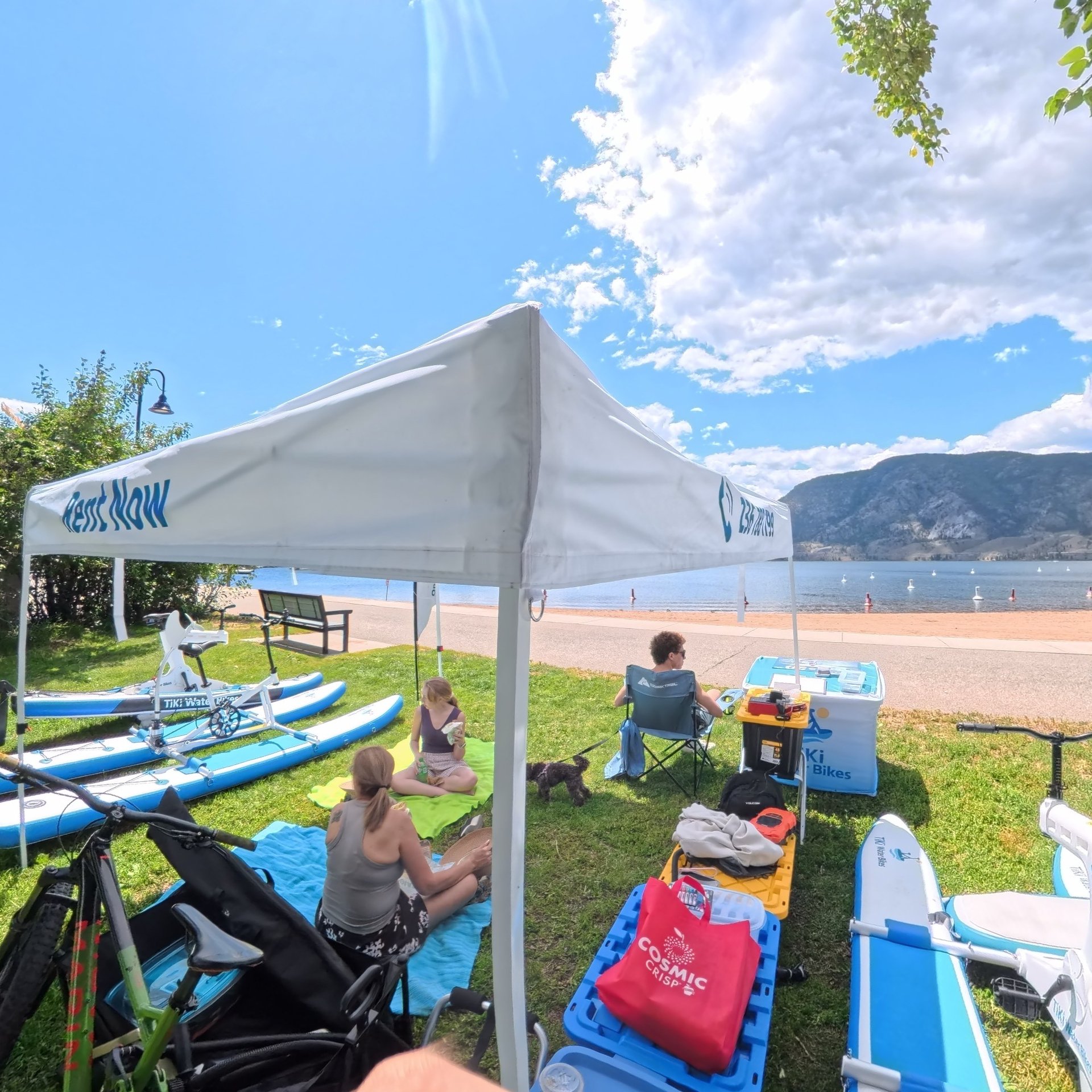
You do not need strong legs, perfect balance, or any watersports background to figure out how to pedal on water. Most first-time riders are surprised by how natural it feels once they sit down, start pedalling, and let the bike glide. On a calm lake, it is much closer to an easy scenic ride than an intense workout.
That is the real appeal. You get fresh air, open views, and a light bit of movement without the learning curve that comes with many other water activities. If you have been curious but slightly unsure, a few basics will make your first ride feel simple from the start.
How to pedal on water for the first time
The first thing to know is that a water bike is built for stability. You are not balancing on a narrow board or fighting to stay upright. You are seated, supported, and riding on a floating frame designed to track smoothly across the water.
When you get on, keep your movements relaxed and steady. Sit down first, place your feet on the pedals, and start with a slow, even rhythm. There is no prize for taking off fast. Gentle pedalling helps the bike move forward cleanly and gives you a feel for how it responds.
Most beginners make it harder than it needs to be by tensing up. If your shoulders are tight and your grip is too firm, every small movement feels bigger. Sit tall, keep your hands light on the handlebars, and let the bike do its job.
Start with the right pace
The easiest way to enjoy your ride is to think steady, not speedy. Water bikes respond best to smooth pedalling. If you mash the pedals or stop and start every few seconds, the ride can feel less fluid than it should.
A comfortable cadence is usually enough to keep you moving well. You should be able to look around, chat with someone nearby, and enjoy the scenery while you pedal. That is the sweet spot for most riders, especially on a sightseeing ride.
If you want a bit more speed, build into it gradually. A faster pace can be fun, but it is not necessary for a good experience. On calm water, a relaxed rhythm often feels best and gives you more control when turning or adjusting direction.
What your legs should feel like
Think of it like an easy bike ride along the waterfront, not a hill climb. You should feel light effort in your legs, not strain. If you are pushing too hard, ease off. Water biking is meant to be active, but still very approachable.
For families, couples, and casual riders, this is a big reason the activity works so well. You get movement without needing to commit to a high-energy workout.
Balance is easier than most people expect
One of the biggest questions beginners have is whether balancing will be difficult. In most cases, it is not. A water bike is designed to stay stable on the surface, especially in calm lake conditions.
The trick is to avoid sudden leaning. You do not need to shift your body dramatically to steer or stay upright. Just sit centred and let your weight stay even. Small adjustments are all you need.
If you feel a little wobbly for the first few moments, that is normal. Usually, the feeling disappears as soon as you begin moving forward. Forward motion helps the bike settle into a smooth track, and confidence tends to follow quickly.
Looking ahead helps
A simple tip that works right away is to look where you want to go. If you stare down at the pedals or the water directly below you, you may feel less steady. Looking ahead helps your body relax and keeps your steering more natural.
It is the same principle as riding on land. Your body responds better when your eyes are focused forward.
Steering without fighting the bike
Steering on a water bike is generally straightforward, but it feels a little different from a regular bicycle because you are moving through water rather than on pavement. Turns are smoother and wider, so it helps to plan them a moment earlier than you think you need to.
Use gentle handlebar movements instead of sharp corrections. If you turn too aggressively, you may feel like you are oversteering. Small inputs usually work better, especially at an easy cruising pace.
Pedalling lightly through the turn can also help maintain control. If you stop completely while trying to turn, the bike may respond more slowly. A little momentum goes a long way.
How to feel confident on open water
The best first rides happen in calm conditions with plenty of space around you. Open water gives you room to find your rhythm without worrying about tight turns or busy traffic. If the lake surface is fairly smooth, the whole experience tends to feel very beginner-friendly.
Confidence also comes from accepting that you do not need to perform. This is not a technical sport for most people. It is a relaxed outdoor activity. You can take your time, pause your pace, and enjoy the views.
That is why spots like Skaha Lake are such a natural fit for water biking. Calm water, scenic shoreline, and a laid-back beach atmosphere make it easier to settle in and enjoy the ride instead of thinking too much about technique.
What to wear and bring
Comfort matters more than anything fancy. Wear clothes you can move easily in, and choose footwear that feels secure. Many riders prefer light athletic wear or beach-day clothing that can handle a few splashes.
Sun protection is worth planning for. On the lake, the sun can feel stronger because it reflects off the water. Sunglasses, sunscreen, and a hat with a secure fit can make your ride much more comfortable, especially on warm Okanagan afternoons.
You also do not need to bring much. Travel light. If you are riding for fun and sightseeing, less gear means less to think about.
Common beginner mistakes and how to avoid them
The most common mistake is trying to do too much too soon. People sometimes pedal too hard at the start, grip the handlebars tightly, or make bigger steering movements than necessary. The fix is simple - slow down, breathe, and ride smoothly.
Another mistake is assuming the ride should feel exactly like cycling on land. There are similarities, but water has its own pace. Turns are softer, momentum matters more, and the experience is more about gliding than rushing.
Some riders also worry too much about doing it perfectly. You do not need perfect form to enjoy a water bike. If you can sit comfortably, pedal steadily, and steer gently, you are already doing it right.
Is it hard to pedal on water?
For most people, no. That said, conditions matter. Calm water is very different from choppy water, and a casual scenic ride is different from trying to push for speed. The effort level depends on weather, your pace, and how long you stay out.
For a typical recreational outing, the activity is approachable for a wide range of riders. Teens, adults, couples, and groups often pick it up quickly. If you are reasonably comfortable on a regular bike and looking for something fun rather than extreme, you are likely to feel at ease within minutes.
This is also why it works so well for spontaneous plans. You do not need a long lesson or a deep gear checklist. With a quick orientation and the right conditions, many first-timers are ready to go almost immediately.
Make the ride more fun, not more complicated
Once you understand how to pedal on water, the best thing you can do is stop treating it like a test. Look around. Enjoy the shoreline. Ride beside a friend. Take in the bright water and the lake breeze.
A good water bike ride feels easy in the best possible way. It is active enough to feel satisfying, calm enough to feel relaxing, and memorable enough to become the highlight of a beach day. If you are near Penticton and want a simple way to get out on the water, TiKi Water Bikes shows just how fun that first ride can be.
Start easy, keep your pace smooth, and let the lake do the rest.
Contact
Need to change your booking or have a question? Contact us!
Phone: (+1) 236 - 788 - 7799
info@tikiwaterbikes.com
www.tikiwaterbikes.ca
© 2025. All rights reserved.