How to Start a Water Bike Rental Business
Learn how to start a water bike rental business with smart location planning, pricing, permits, staffing, and a setup guests will actually book.
6/2/20266 min read
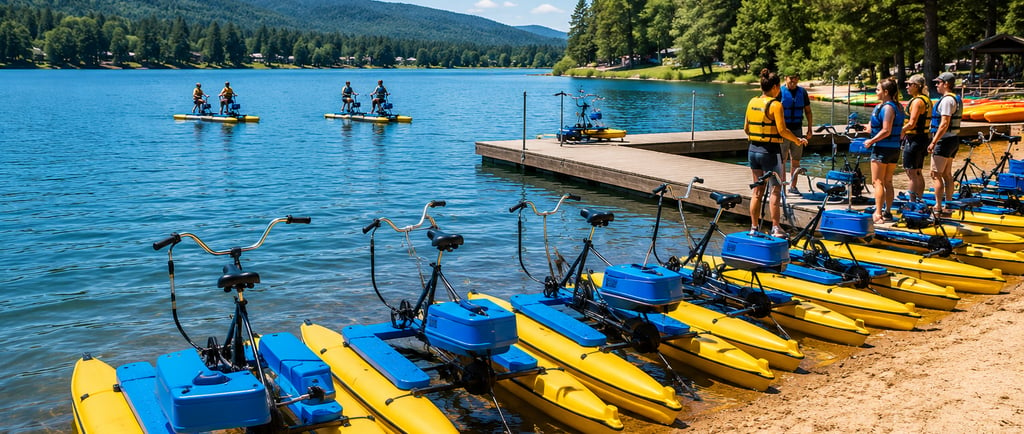
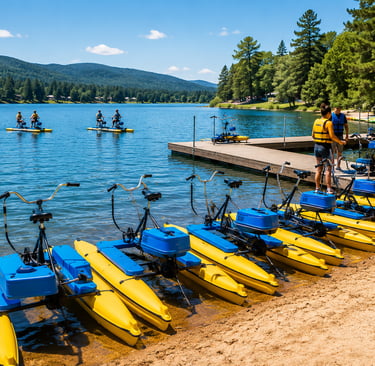
A busy beach can tell you almost everything you need to know before you start a water bike rental business. Watch where people gather, how long they stay, and what they actually want from the water. Most visitors are not looking for an extreme sport. They want something easy, scenic, safe, and fun enough to turn a regular lake day into a great memory.
That is why water bike rentals can work so well in tourism-driven waterfront markets. They sit in a sweet spot between leisure and activity. Guests get fresh air, movement, and beautiful views without needing lessons, upper-body strength, or a full day commitment. But a fun concept is not the same as a solid business. The operators who do well usually get the basics right early - location, permits, fleet size, pricing, safety flow, and guest experience.
Why water bikes are a strong fit for tourist markets
Water bikes are easy to understand at a glance. That matters more than many new operators expect. If someone sees a bright, stable bike on the water and immediately thinks, I could do that, you have already removed the biggest barrier to booking.
This business tends to perform best in places where foot traffic, scenery, and spontaneity come together. Lakeside parks, resort areas, beach towns, and tourism-heavy waterfronts are the obvious fit. Calm water helps too. A beginner-friendly ride is much easier to sell than an activity that looks technical or weather-sensitive.
The customer base is also broad. Couples want a fun outing. Families want something active but manageable. Friend groups want photos, laughs, and something everyone can do together. Locals often book when they have visitors in town or want a low-effort way to enjoy a sunny afternoon. That mix can help smooth demand, although seasonality will still shape your revenue.
Start a water bike rental business with the right location
If you only make one big decision carefully, make it your launch site. A beautiful lake is not enough on its own. You need a location that is visible, convenient, and practical to operate from day after day.
Look at shoreline access first. Can guests walk directly from parking or a public path to your check-in area? Can they see the bikes from a distance? If your setup is hidden behind a marina office, down a steep bank, or far from where people naturally stroll, you will lose spontaneous bookings.
Then study the water itself. Calm, sheltered zones are easier for first-time riders and simpler for staff to supervise. Strong currents, heavy motorboat traffic, or regular afternoon wind can make the experience less appealing and raise operational risk. It depends on the market, but many operators do better with shorter scenic routes near shore than with wide-open water that feels exposed.
Local demand matters just as much as scenery. A smaller beach with steady tourism and limited competition can be better than a famous waterfront where space is expensive and permits are tightly restricted. Before you commit, spend real time on site during weekdays, weekends, and holiday periods.
Permits, insurance, and the unglamorous part that matters
This is the part many people rush through because it is less exciting than choosing bikes and branding. It is also the part that can slow or stop your launch.
A water rental business may require municipal permits, beach or park use approval, business licensing, and rules tied to shoreline access or commercial activity on public land. Some areas also have environmental restrictions, seasonal operating windows, or rules about storage structures and signage. What is allowed on one lake may not be allowed on the next.
Insurance is another must-have, not an afterthought. You need coverage that fits commercial watersports rental activity, not a generic small business policy. Ask detailed questions about guest waivers, equipment loss, staff operations, and waterfront liability. The cheapest option is not always the best one if it leaves gaps.
The smoother approach is to treat compliance as part of your launch timeline, not a box to tick the week before opening. Build in extra time. Waterfront approvals often move slower than expected.
Your fleet should match your market, not your ego
It is easy to imagine a big lineup of bikes on opening day. It is harder to keep that fleet booked, maintained, stored, and staffed profitably.
Starting smaller is often smarter. A lean fleet lets you test demand, refine your check-in process, and learn your true peak periods before overcommitting. If your location gets lots of walk-up traffic, a smaller number of high-turnover rentals may outperform a larger fleet with lower utilization.
Choose equipment based on stability, ease of use, and visual appeal. Guests should feel comfortable stepping on, sitting down, and pedalling within minutes. Distinctive colours and clean presentation also matter more than people think. On a busy waterfront, eye-catching equipment acts like a billboard.
Maintenance needs to be part of your daily plan. Salt, sun, sand, transport, and repeated public use add wear quickly. Every bike should be easy for staff to inspect between rides. If a repair takes too long or parts are hard to source, downtime can eat into your best weather days.
Pricing that feels easy to say yes to
Most guests are making a leisure purchase, not a technical comparison. Your pricing should feel simple, fair, and quick to understand.
Short rental blocks usually work well because they fit naturally into a beach day or sightseeing stop. Thirty-minute and one-hour options are easy to market and easy for guests to commit to. Longer bookings can work too, but only if the route and scenery support it. On calmer, scenic lakes, the experience sells itself. In less visually interesting areas, shorter sessions may convert better.
Group dynamics matter. If friends or family want to go together, your rates should make that easy rather than awkward. Packages for pairs, families, or small groups can lift average booking value without feeling pushy.
Seasonality should shape your pricing strategy. Peak summer weekends may support higher rates, while shoulder season may need more value-focused offers. Keep it clean. Too many pricing tiers can slow down the decision and create friction at the dock.
The guest experience is your real product
People are not just renting equipment. They are buying an easy, feel-good lake experience.
That starts before they get on the water. Your check-in area should be obvious, cheerful, and fast to navigate. Guests should know where to stand, what to sign, where life jackets are, and how long the ride will take. If they feel confused or delayed, the energy drops fast.
Training should be short and reassuring. Most riders do not want a lecture. They want to know they will be fine. A simple safety briefing, clear riding zone, and confident staff member can turn nervous first-timers into happy customers in minutes.
This is where brand presentation pays off. Bright bikes, friendly team members, clear signage, and a photo-worthy launch area all support bookings and word of mouth. TiKi Water Bikes has built part of its appeal around exactly that kind of visible, low-barrier fun - easy to spot, easy to try, easy to share.
Staffing, systems, and weather reality
A seasonal waterfront business lives or dies on operational flow. Even a small setup needs reliable systems.
Staff should be chosen for energy, attentiveness, and comfort with the public. The job is not only about handing over equipment. It is part guest welcome, part safety role, part crowd management, and part quick problem-solving. A warm staff member with good judgment can improve reviews more than any discount ever will.
Use a booking system that supports both advance reservations and walk-ups if your location gets tourist traffic. Some guests plan ahead, especially families. Others decide on the spot because the water looks good and the bikes look fun. You need room for both.
Then there is weather. Sunny days can fill your schedule. Wind, smoke, rain, or sudden temperature swings can wipe out an afternoon. Build your staffing and cash-flow expectations around that reality. Waterfront businesses rarely run on perfect consistency, so your model has to absorb some uneven days.
Marketing that works at the shoreline
For this kind of business, your strongest marketing often happens on site. Visibility is everything. If people can see riders smiling on the water, they can picture themselves doing it too.
That means your launch zone should be clean, branded, and easy to understand from a distance. Good signage, a friendly greeting, and a few bikes in clear view can convert beach traffic better than a complicated ad campaign. Photos also matter because this is an experience people naturally share, especially when the bikes and scenery stand out.
Off-site marketing still helps, especially in tourism regions. Hotels, visitor hubs, campgrounds, and local activity partners can drive strong referral traffic. The best partnerships are simple and local. If it feels like a natural add-on to a beach day, winery visit, or weekend getaway, you are in a good position.
If you want to start a water bike rental business that lasts beyond one good summer, think bigger than equipment. Build something people can understand instantly, book easily, and remember happily. When the ride feels simple from the shore to the water and back again, you are not just renting bikes - you are creating the kind of lake day people tell their friends about.
Contact
Need to change your booking or have a question? Contact us!
Phone: (+1) 236 - 788 - 7799
info@tikiwaterbikes.com
www.tikiwaterbikes.ca
© 2025. All rights reserved.