Is Water Biking Safe for Beginners?
Is water biking safe for beginners? Learn what makes it easy, what to expect on the lake, and how first-time riders can feel confident.
6/2/20265 min read
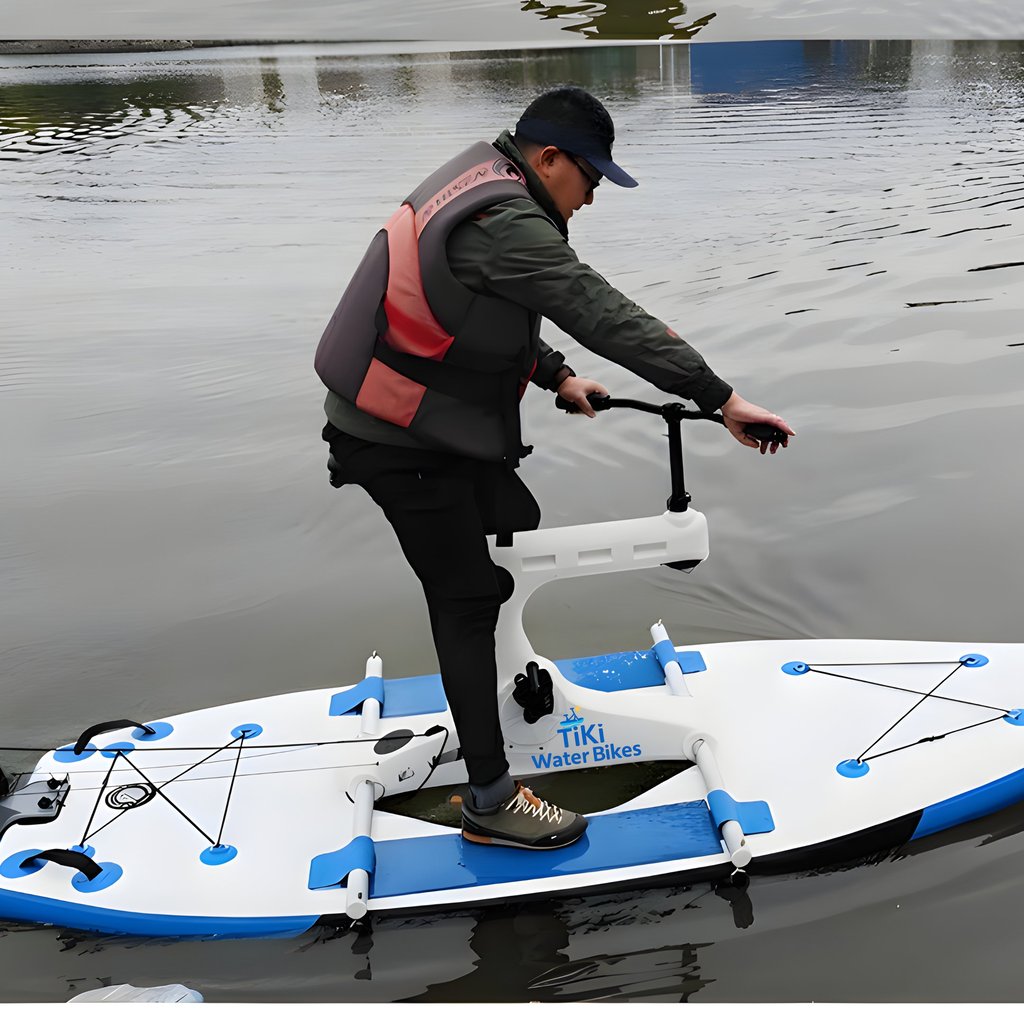
You do not need strong paddling skills, balance-board experience, or a taste for high-speed water sports to enjoy your first ride. If you are wondering, is water biking safe for beginners, the short answer is yes - for most people, it is a very approachable activity when the equipment is stable, the water is calm, and the basics are explained clearly.
That said, beginner-friendly does not mean risk-free. Like any outdoor activity on the water, the experience depends on conditions, supervision, and how comfortable you feel getting started. The good news is that water biking tends to land in the sweet spot between active and easygoing, which is exactly why so many first-time riders try it on a lake day, family outing, or weekend in Penticton.
Why water biking feels easier than people expect
A lot of beginners picture something tippy, technical, or hard to control. In reality, water bikes are designed to be far more stable than that image suggests. Instead of balancing on a narrow board or managing a paddle, you are seated and pedalling in a natural motion that feels familiar almost right away.
That matters because confidence changes everything on the water. When your body already knows the basic movement, you can spend less time figuring things out and more time looking around, settling in, and enjoying the lake. For many riders, the first surprise is how quickly the nerves fade once they start moving.
The second surprise is the pace. Water biking is not about sudden acceleration or sharp, aggressive turns. It is usually smooth and steady, which makes it a strong fit for people who want a light activity without the intensity of wake sports or the learning curve of paddle-based equipment.
Is water biking safe for beginners on a calm lake?
Usually, yes. Calm lake conditions make a big difference for first-time riders. Flat or lightly rippled water gives beginners time to get used to steering, turning, and starting from a dock or shoreline area without feeling rushed.
This is one reason location matters so much. A protected, scenic lake setting is a very different experience from choppy open water or areas with heavy boat traffic. Beginners generally do best where conditions feel predictable, visibility is good, and there is enough space to ride without pressure.
At a place like Skaha Lake, a relaxed ride can feel more like sightseeing with a bit of pedalling than a demanding water sport. That is a big part of the appeal for tourists, couples, families, and locals looking for something fun that does not require a full lesson plan.
What actually makes water biking safe for first-time riders
Safety comes from the setup more than the sport sounding easy on paper. Good equipment, clear instructions, proper life jackets, and suitable weather all matter. If those pieces are in place, beginners usually have a much smoother first ride.
Stable design is the biggest factor. Water bikes are built to stay balanced on the surface, so you are not constantly fighting to remain upright. A comfortable seat and simple pedalling action also help reduce that awkward first five minutes that can make other water activities feel intimidating.
Clear orientation matters too. Before heading out, riders should know how to get on and off, how to steer, how to stop or slow down, and what area they should stay in. A quick, friendly rundown can turn hesitation into excitement very quickly.
Wearing a life jacket is part of the equation as well. Even confident swimmers should treat that as standard practice. It adds peace of mind and keeps the experience focused on fun instead of what-ifs.
Common beginner worries, and what is actually true
The biggest fear is usually falling in. While that can happen in almost any water activity, it is generally less common on a stable water bike than many beginners expect. Because you are seated and supported, the ride often feels more secure than standing activities like paddleboarding.
Another common concern is balance. If you can sit on a bike and pedal, the movement pattern will feel familiar. Water biking is not exactly the same as cycling on land, but it is intuitive enough that most riders pick it up quickly.
Some people also worry they will get too tired. That depends on pace, wind, and how long you ride, but water biking is usually more light recreation than hard workout. You can pedal gently, take in the view, and keep the experience relaxed. If someone wants a more active ride, they can push a little more. That flexibility is part of what makes it beginner-friendly.
Who water biking suits best
Water biking tends to work well for adults, teens, couples, friend groups, and families looking for a shared activity that does not demand advanced skill. It is especially appealing for people who want fresh air and movement without needing to commit to something intense.
It is also a nice fit for visitors who want a memorable lake experience without spending half the day learning technique. You can arrive, get the basics, and be out on the water fairly quickly. That convenience is a big plus when you are building a holiday day around the beach, local food stops, or a few easy activities.
There are still cases where it may not be the right fit. Very young children may need age-appropriate options or supervision requirements depending on the operator. People with certain mobility limitations, major balance concerns, or medical conditions should always check ahead. Beginner-safe does not mean one-size-fits-all.
How to make your first ride feel easy
If you are new, the best move is to keep the first outing simple. Choose a calmer day, listen to the pre-ride instructions, and start at an easy pace. There is no prize for powering off the dock like you are racing across the lake.
Dress for comfort rather than performance. Lightweight clothing, sun protection, and secure footwear usually make more sense than overthinking gear. Bring water, expect a little splash, and treat the ride as a relaxed outdoor experience.
It also helps to go in with the right mindset. The first few minutes may feel unfamiliar, and that is normal. Give yourself a bit of time to settle into the steering and rhythm. Most beginners find that once they stop analysing every movement, the ride starts to feel natural.
Conditions that can change the safety picture
Even though the answer to is water biking safe for beginners is often yes, there are times when the answer becomes more conditional. Wind is one of the biggest factors. A breezy day can turn an easy ride into a more tiring one, especially for first-timers.
Boat traffic matters too. Busy areas can make beginners feel distracted or less relaxed, even if they are riding safely. That is why designated ride areas and local guidance are important.
Weather should never be brushed off. Stormy conditions, poor visibility, or rougher water are obvious reasons to wait for a better time. A fun first ride should feel manageable, not like something you are trying to endure.
Why beginners often end up loving it
Water biking has a way of making people feel active without making them feel tested. You are moving, steering, and covering water, but you are also sightseeing, chatting, and enjoying the open space around you. That balance is hard to beat.
For first-time riders, the experience often feels more relaxed than expected and more memorable than a simple lakeside walk. There is something special about getting out on the water in a way that feels easy, photogenic, and social all at once.
That is a big reason places like TiKi Water Bikes appeal to such a wide mix of riders. The experience looks fun from shore, feels approachable once you get on, and fits naturally into the kind of summer day people actually want - simple, scenic, and easy to say yes to.
So, is water biking safe for beginners?
For most people, yes - especially in calm conditions with stable equipment, a proper life jacket, and a quick orientation before heading out. It is one of the more accessible ways to enjoy time on the water, particularly if you want something light, scenic, and low-pressure.
The best first ride is not about being fearless. It is about choosing the right setting, asking a few questions, and giving yourself permission to start easy. If you are curious, that is usually a pretty good sign you are ready to try it.
Contact
Need to change your booking or have a question? Contact us!
Phone: (+1) 236 - 788 - 7799
info@tikiwaterbikes.com
www.tikiwaterbikes.ca
© 2025. All rights reserved.